You Won’t Believe What These Yoga Breathing Techniques Can Do for Your Body
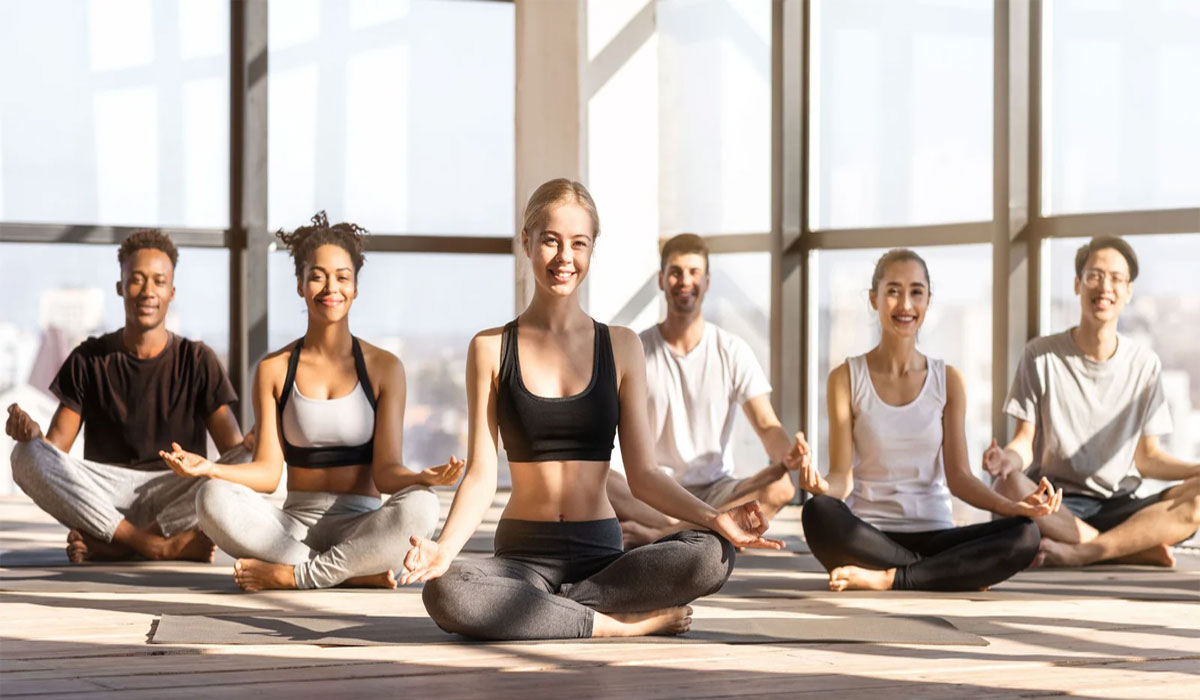
Breathing is something we often take for granted, yet mastering it through yoga can completely transform your body and mind.
Yoga breathing techniques, also known as pranayama, are not just about relaxation they can boost energy, improve focus, and even support overall health. In 2026, more people are discovering how controlled breathing can unlock benefits that go far beyond the mat. Below, Yoga Body and Balance will provide some explanations regarding balanced living: how physical health fuels mental clarity.
The Science Behind Yoga Breathing
Yoga breathing control works by regulating oxygen intake and carbon dioxide release, which directly affects the body’s nervous system. When practiced correctly, it can activate the parasympathetic nervous system, helping the body relax and reduce stress levels. Scientific studies have shown that regular pranayama practice can lower heart rate, reduce blood pressure, and enhance mental clarity.
Controlled breathing also improves lung capacity and efficiency. Techniques like deep diaphragmatic breathing train the lungs to hold more air and improve oxygenation in the bloodstream. Over time, this can lead to better stamina, endurance, and even athletic performance, making pranayama beneficial not only for mental wellness but for physical fitness as well.
Moreover, yoga breathing influences hormone levels, including reducing cortisol the stress hormone and stimulating endorphins, which enhance mood. This biochemical impact explains why even a short daily practice can make people feel calmer, happier, and more focused.
Stress Relief and Mental Clarity
One of the most celebrated benefits of yoga breathing control is its ability to manage stress. Techniques like alternate nostril breathing and slow, rhythmic inhalations and exhalations create a calming effect on the mind. Practitioners report feeling more centered and less reactive to stressful situations after just a few minutes of focused breathing.
Yoga breathing also improves mental clarity and concentration. By controlling the rhythm and depth of breath, the mind is trained to remain present and attentive. This heightened awareness helps with decision-making, problem-solving, and even creative thinking, making it a valuable tool for both professional and personal life.
Additionally, pranayama practices help balance emotional responses. Breath control encourages mindfulness and self-awareness, allowing practitioners to identify and release negative thought patterns. This leads to improved emotional resilience and better management of anxiety and depression over time.
Physical Benefits Beyond Relaxation
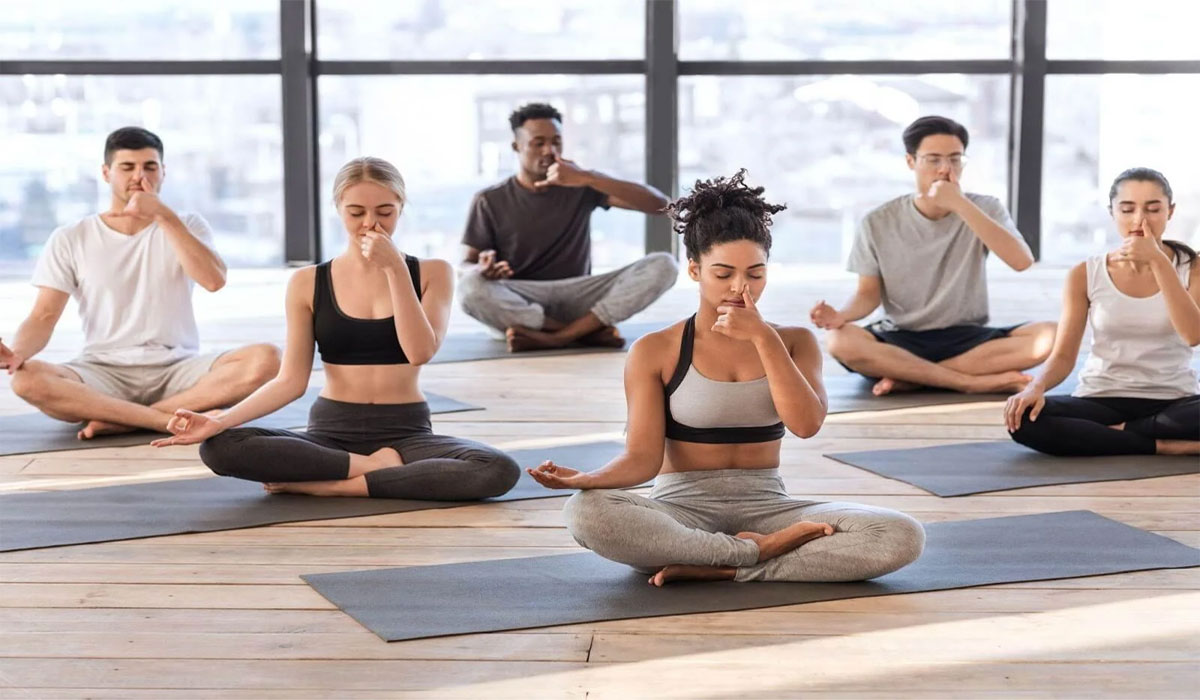
The impact of yoga breathing extends beyond stress relief. Techniques like Kapalabhati (skull-shining breath) and Bhastrika (bellows breath) increase oxygen supply, stimulate metabolism, and enhance circulation. This can contribute to weight management, better digestion, and even glowing skin as toxins are more efficiently eliminated from the body.
Breath control also supports the cardiovascular system. By improving oxygen efficiency and reducing stress, the heart experiences less strain, which can decrease the risk of heart disease. Moreover, breathing exercises enhance endurance and energy levels, making everyday activities feel easier and more invigorating.
Finally, yoga breathing promotes better sleep quality. Techniques practiced before bedtime calm the mind and relax muscles, helping the body transition smoothly into deep, restorative sleep. This restorative effect not only improves overall health but also enhances cognitive function and emotional stability.
How to Start Practicing Yoga Breathing
Beginning a yoga breathing routine does not require any special equipment, but consistency and proper technique are key. Start with simple exercises like deep diaphragmatic breathing or box breathing, focusing on inhaling, holding, exhaling, and pausing in equal measures. Practicing for just 5–10 minutes a day can produce noticeable benefits.
As you progress, you can explore more advanced techniques such as Nadi Shodhana (alternate nostril breathing) or Ujjayi (victorious breath). These practices require mindful attention and control but offer even deeper physiological and psychological benefits, including enhanced lung capacity, increased energy, and mental clarity.
It is also helpful to pair breathing exercises with yoga postures or meditation. The combination amplifies the effects, creating a holistic approach to wellness that addresses both body and mind. Beginners are encouraged to seek guidance from certified instructors or reputable online resources to ensure safe and effective practice.
Conclusion
Yoga breathing control is more than just a relaxation tool it is a powerful method to transform physical health, mental clarity, and emotional resilience. By incorporating pranayama into daily routines, individuals can reduce stress, boost energy, improve focus, and support overall well-being.
The beauty of these techniques lies in their simplicity and accessibility: anyone can start, and even a few minutes a day can create lasting benefits. As more people discover the science and practice of yoga breathing, it becomes clear that mastering the breath is one of the most profound ways to enhance both body and mind.
Image Source:
- First Image from puskesmasjakem-dikes.lombokbaratkab.go.id
- Second Image from fithub.id

Post Comment