Yoga Breathing Control: Techniques for Mind-Body Balance and Well-Being
Explore yoga breathing control techniques, their benefits, and how practices like pranayama improve focus, reduce stress.
Yoga breathing control, often referred to as pranayama, plays a vital role in maintaining balance between the mind and body. Through controlled breathing techniques, individuals can regulate energy, improve concentration, and promote relaxation. This practice forms an essential foundation of yoga and supports both physical health and mental clarity.
The following Yoga Body and Balance will discuss about Explore yoga breathing control techniques, their benefits.
Understanding Pranayama and Its Purpose
Pranayama refers to the practice of controlling breath to influence energy flow within the body. The term originates from ancient yoga traditions, where practitioners viewed breath as a bridge between the physical and mental states.
This practice focuses on regulating inhalation, exhalation, and breath retention. By controlling these elements, individuals can influence their nervous system and achieve a state of calmness. Pranayama supports mindfulness and encourages awareness of internal sensations.
Different techniques serve different purposes. Some methods energize the body, while others promote relaxation. Practitioners often choose specific breathing exercises based on their goals, whether they seek focus, stress relief, or improved physical performance.
Key Breathing Techniques in Yoga
Yoga offers a variety of breathing techniques that cater to different needs. One of the most common methods involves deep diaphragmatic breathing, which encourages full lung expansion and efficient oxygen intake.
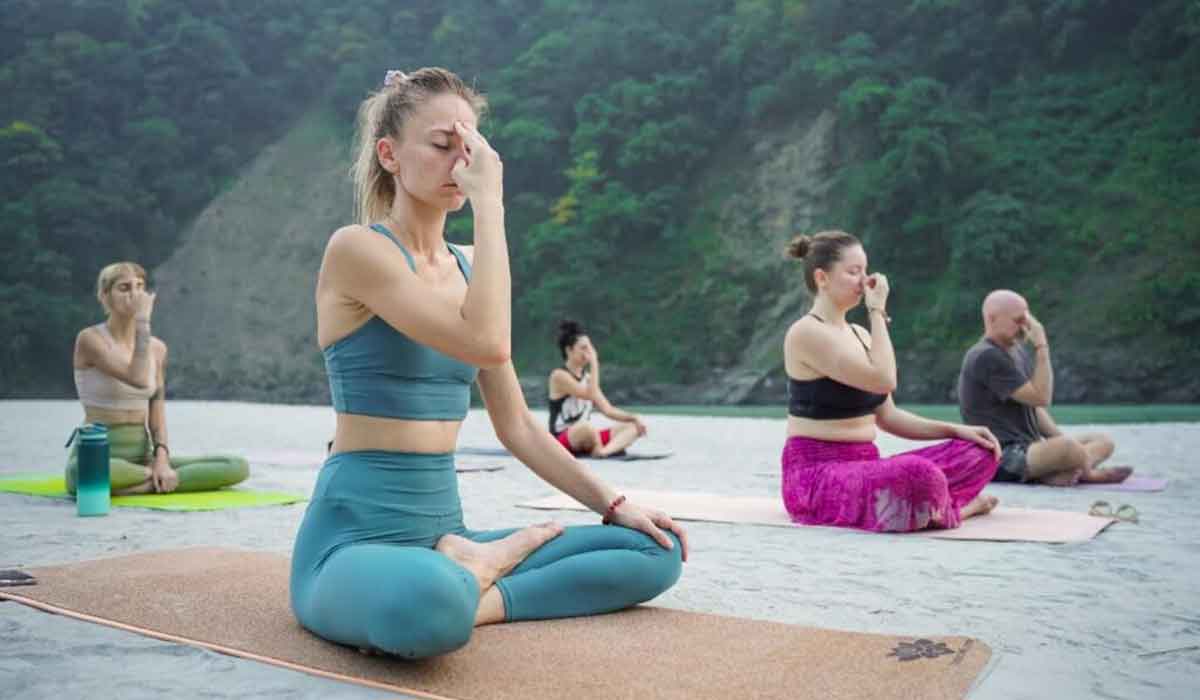
Another popular technique involves alternate nostril breathing. This method helps balance the left and right hemispheres of the brain, promoting mental clarity and emotional stability. Practitioners often use it to reduce anxiety and improve concentration.
Breath of fire represents a more dynamic technique. It involves rapid and rhythmic breathing that energizes the body and stimulates circulation. Each technique provides unique benefits, allowing individuals to tailor their practice to specific outcomes.
Also Read: Warning! The Hidden Dangers Lurking In Your Balance Postures Revealed!
Physical and Mental Benefits
Yoga breathing control delivers a wide range of physical benefits. It improves lung capacity, enhances oxygen flow, and supports cardiovascular health. Regular practice helps the body function more efficiently and promotes overall vitality.
On a mental level, breathing exercises reduce stress and anxiety. Controlled breathing activates the parasympathetic nervous system, which encourages relaxation. This response helps lower heart rate and create a sense of calm.
Consistent practice also improves focus and concentration. By directing attention to the breath, individuals train their minds to stay present. This mindfulness enhances productivity and supports emotional balance in daily life.
Incorporating Breathing into Daily Life
Practicing yoga breathing does not require a dedicated session every time. Individuals can incorporate simple breathing techniques into daily routines, such as during work breaks, commutes, or moments of stress.
Starting with a few minutes each day can produce noticeable improvements. Beginners can focus on slow, deep breaths while maintaining a comfortable posture. Over time, they can explore more advanced techniques as their confidence grows.
Consistency plays a key role in achieving results. Regular practice strengthens the connection between mind and body, allowing individuals to respond more effectively to stress and maintain emotional stability throughout the day.
Tips for Effective Practice
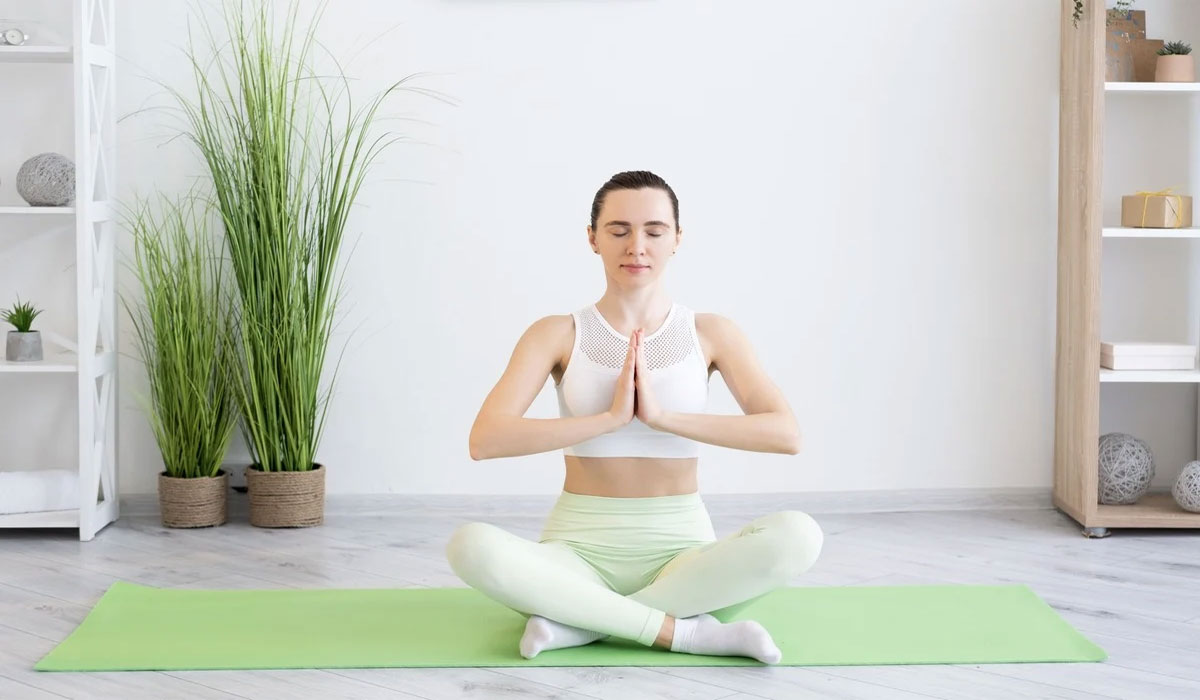
To practice yoga breathing effectively, individuals should find a quiet and comfortable environment. A distraction-free setting helps maintain focus and enhances the overall experience. Proper posture also supports optimal breathing.
Awareness remains essential during each session. Practitioners should observe their breath without forcing it. Natural and steady breathing creates a more sustainable and beneficial practice compared to strained or rushed techniques.
Beginners should start slowly and gradually increase the duration of their sessions. Over time, they can explore different techniques and combine them into a personalized routine. Patience and consistency lead to meaningful progress and long-term benefits.
Image Information Source:
- Main Image from Jivaraga Space
- Second Image from Jivaraga Space

Post Comment