Little Known! This Yoga Breathing Control Can Instantly Calm Your Mind
Controlled breathing in yoga or pranayama helps calm the mind and improve physical health, see the benefits and techniques here.
In today’s fast-paced lifestyle, many people experience stress, mental fatigue, and difficulty concentrating. Irregular breathing patterns are a major contributing factor to these conditions. Breathing too quickly and shallowly can trigger tension in the body and mind.
The following Yoga Body and Balance will discuss about Yoga breathing control or pranayama helps calm the mind and improve body health.
Understanding the Concept of Yoga Breathing Control
Yoga breathing control, or pranayama, comes from Sanskrit: “prana,” meaning life energy, and “ayama,” meaning regulation. Thus, pranayama is the technique of regulating the breath to control the flow of energy in the body.
In yoga practice, breathing is not automatic but performed with full awareness. Every inhale and exhale is done slowly and controlled. This helps the body relax and the mind stay focused.
The concept of breathing control is a fundamental foundation of yoga because the breath serves as a bridge between the body and mind. When breathing is regular, mental states become more stable and calm.
Mental Health Benefits of Breathing Control
One of the main benefits of yoga breathing control is calming the mind. Deep and regular breathing can reduce the activity of the sympathetic nervous system, which triggers stress and anxiety.
By regularly practicing yoga breathing, a person can reduce feelings of restlessness and increase inner calm. This technique is often used as a natural therapy to manage mild stress and anxiety disorders.
Additionally, breathing control helps improve focus and concentration. The mind becomes clearer, allowing someone to perform daily activities more calmly and productively.
Also Read: Balance Your Body! Posture, Core Strength, and Mind-Body Harmony
Positive Effects of Yoga Breathing on the Body
Yoga breathing control is not only beneficial for mental health but also has positive effects on physical health. Deep breathing helps increase lung capacity and improves oxygen circulation throughout the body.
With optimal oxygen supply, the body’s organs can function more efficiently. This helps boost energy, enhance endurance, and accelerate recovery from fatigue.
Moreover, yoga breathing helps maintain balanced blood pressure and heart rate. The practice helps the body stay relaxed while remaining alert.
Types of Yoga Breathing Techniques
In yoga, there are various breathing techniques that can be tailored to individual needs. One popular method is deep nasal breathing performed slowly and rhythmically.
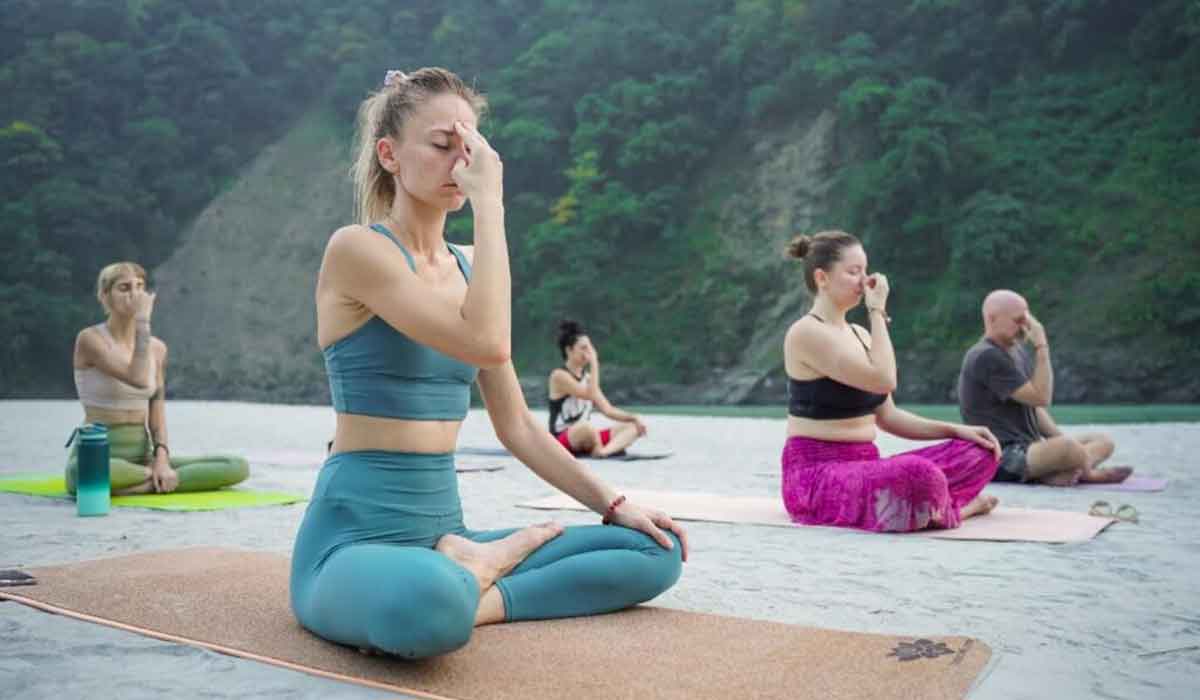
Another technique is alternate nostril breathing, which helps balance the left and right hemispheres of the brain. This exercise is often used to improve concentration and calm the mind.
There are also breathing techniques focused on regulating breath rhythm to boost energy. Although each technique has a different goal, all pranayama practices aim to create balance between the body and mind.
Integrating Yoga Breathing into Daily Life
Yoga breathing control doesn’t have to be done only during a formal practice session. This technique can be applied anytime, such as upon waking, before work, or before going to bed.
By taking a few minutes to breathe consciously, the body and mind feel more relaxed. This habit helps reduce emotional tension that often arises from daily routines.
When practiced consistently, yoga breathing control can become a healthy lifestyle. The calmness generated from regulated breathing helps someone live a more balanced and mindful life.
Image Source:
- First Image from Claudias Concept
- Second Image from Shvasa

Post Comment