Mastering Breath Control The Key To Deeper Yoga Practice
True yoga begins with awareness of the breath, because it is the key that connects the body, mind, and spirit.
When you bring full attention to each inhale and exhale, you begin to slow down the noise of the mind and enter a deeper state of presence. This awareness transforms yoga from a simple physical practice into a meaningful journey of inner balance, where every movement becomes intentional and every moment becomes calm and focused. Read more only at Yoga Body and Balance.
Understanding The Power Of Breath In Yoga
Breath is the most essential element in yoga because it connects the body and mind in a natural rhythm. Without controlled breathing, yoga becomes only physical movement rather than a deeper spiritual and mental practice. The breath acts as a bridge that unites awareness with action.
In traditional yoga philosophy, breath is known as prana, or life energy. This energy flows through the body and influences physical health, emotional balance, and mental clarity. When breathing is shallow or irregular, this flow becomes blocked, affecting overall well being.
Understanding breath means recognizing its influence on every pose and transition. Each inhale creates expansion while each exhale encourages release and grounding. This simple rhythm becomes the foundation for a more mindful and powerful yoga experience.
Techniques For Effective Breath Control
One of the most important techniques in yoga is diaphragmatic breathing, which involves breathing deeply into the abdomen rather than the chest. This method allows more oxygen to enter the body and helps calm the nervous system.
Another powerful technique is ujjayi breathing, often called the ocean breath. It involves gently constricting the throat to create a soft sound during inhalation and exhalation. This technique helps maintain focus and creates a steady internal rhythm throughout practice.
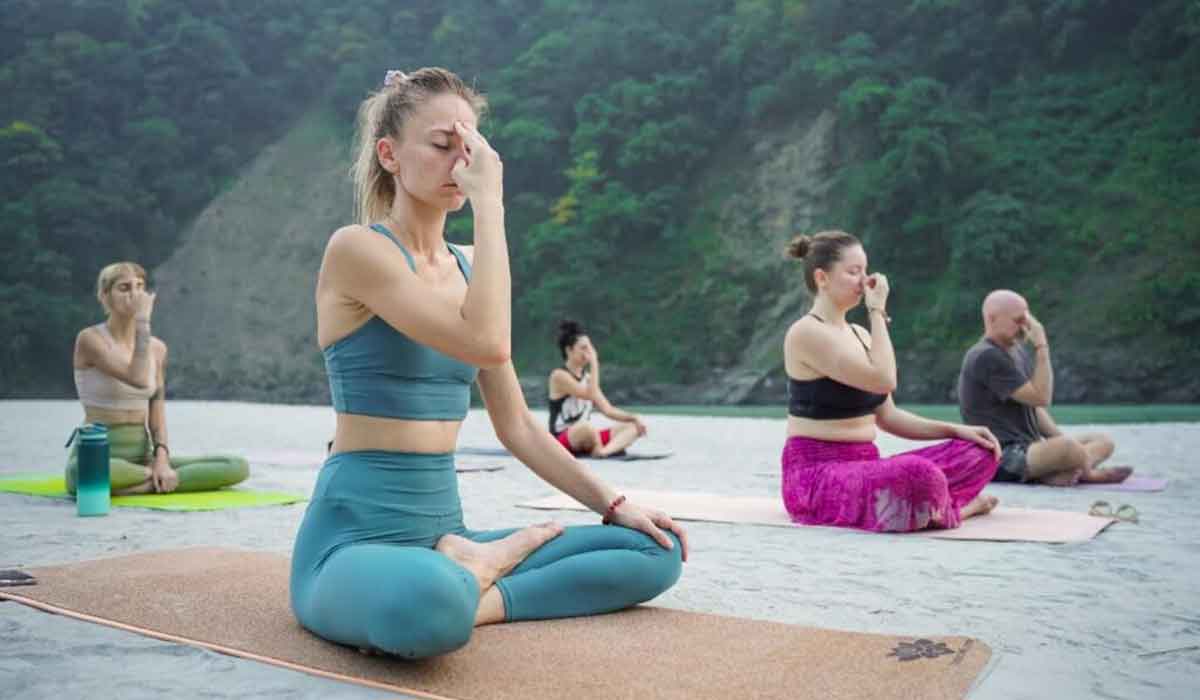
Alternate nostril breathing is also widely used to balance energy in the body. By breathing through one nostril at a time, the mind becomes calmer and more centered. This technique is especially helpful before meditation or stressful situations.
Also Read: Are Your Balance Postures Slowly Ruining Your Body? Find Out Now
Connecting Breath with Movement
In yoga, movement and breath must work together to create harmony. Every posture becomes more stable and meaningful when guided by intentional breathing. This connection transforms physical exercise into a mindful flow.
When you inhale, you often expand or lift the body, and when you exhale, you fold or release tension. This coordination helps maintain balance and reduces unnecessary strain on muscles and joints. It also encourages smoother transitions between poses.
Over time, synchronizing breath with movement creates a meditative state. The mind becomes less distracted, and attention shifts inward. This state of awareness allows practitioners to experience yoga on a deeper emotional and mental level.
The Mental And Physical Benefits
Breath control has powerful effects on mental health by reducing stress and anxiety. When breathing becomes slow and controlled, the body activates its relaxation response, helping the mind feel calm and focused.
Physically, proper breathing improves oxygen flow, which supports muscle function and increases energy levels. It also helps release tension stored in the body, leading to better flexibility and reduced fatigue during practice.
With consistent practice, breath awareness strengthens overall mindfulness. This awareness extends beyond yoga sessions into daily life, helping individuals respond to challenges with greater calmness and clarity.
Image Source:
- First Image from cnnindonesia.com
- Second Image from gizmologi.id

Post Comment