BREAKING! The Yoga Core Secret That Trainers Don’t Want You to Know
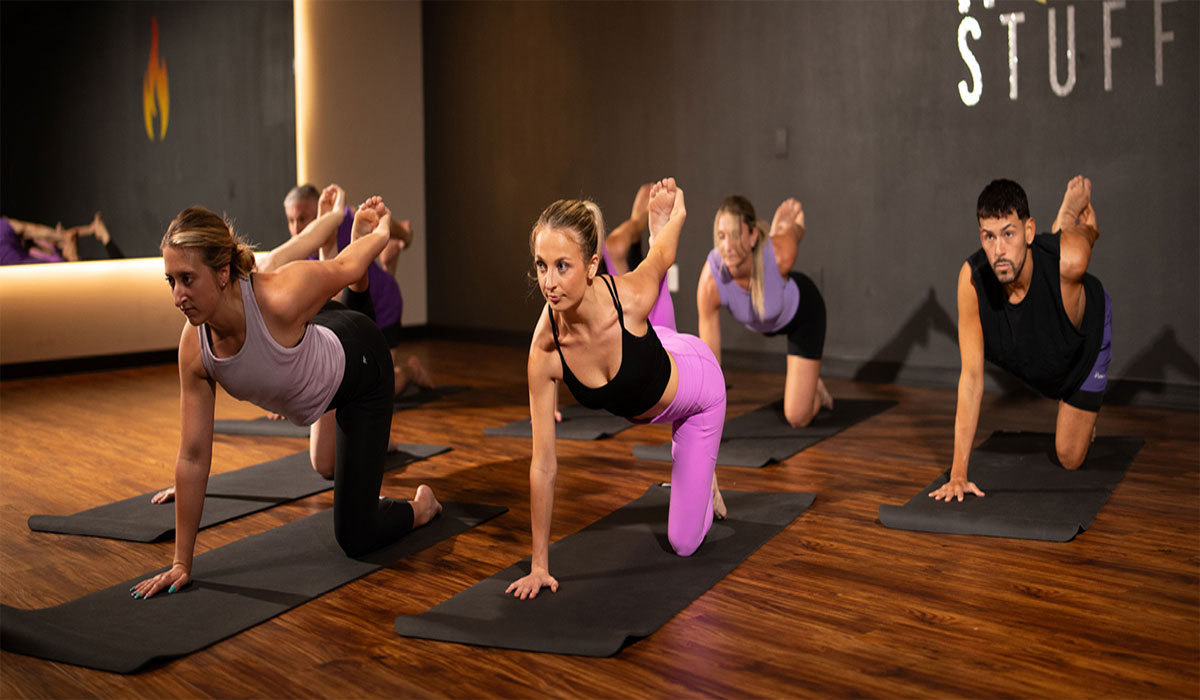
Fitness trends continue to evolve as people search for effective, sustainable ways to improve strength, posture, and overall health.
Among the most talked-about practices is yoga, especially routines focused on core stability. This area of fitness is often underestimated, yet it plays a crucial role in balance, injury prevention, and everyday movement. See and follow the complete information only at Yoga Body and Balance.
Understanding Core Stability in Yoga Practice
Core stability refers to the ability of the muscles in the abdomen, lower back, hips, and pelvis to work together efficiently. In yoga, this concept is not just about building visible abdominal muscles but about creating internal strength that supports the entire body.
Many yoga poses are designed to activate deep core muscles that are often neglected in traditional workouts. Movements such as plank, boat pose, and downward-facing dog require sustained engagement, which strengthens both superficial and deep stabilizing muscles.
When practiced consistently, yoga helps improve posture and alignment. This reduces strain on the spine and allows the body to move more efficiently in daily activities, from sitting at a desk to lifting objects.
Why Trainers Emphasize Core Strength Training
Fitness trainers often highlight core strength because it serves as the foundation for nearly all physical movement. Whether someone is running, lifting weights, or simply walking, a strong core improves performance and reduces the risk of injury.
A stable core also enhances balance and coordination. This is especially important for older adults or individuals recovering from injuries, as it helps prevent falls and supports safer movement patterns.
In addition, core strength contributes to better breathing control. Many yoga techniques combine breathwork with movement, allowing practitioners to develop greater awareness of how breathing supports physical stability and endurance.
Also Read: You Won’t Believe What Happens When Your Mind And Body Are Truly Balanced!
Hidden Benefits of Yoga for the Core
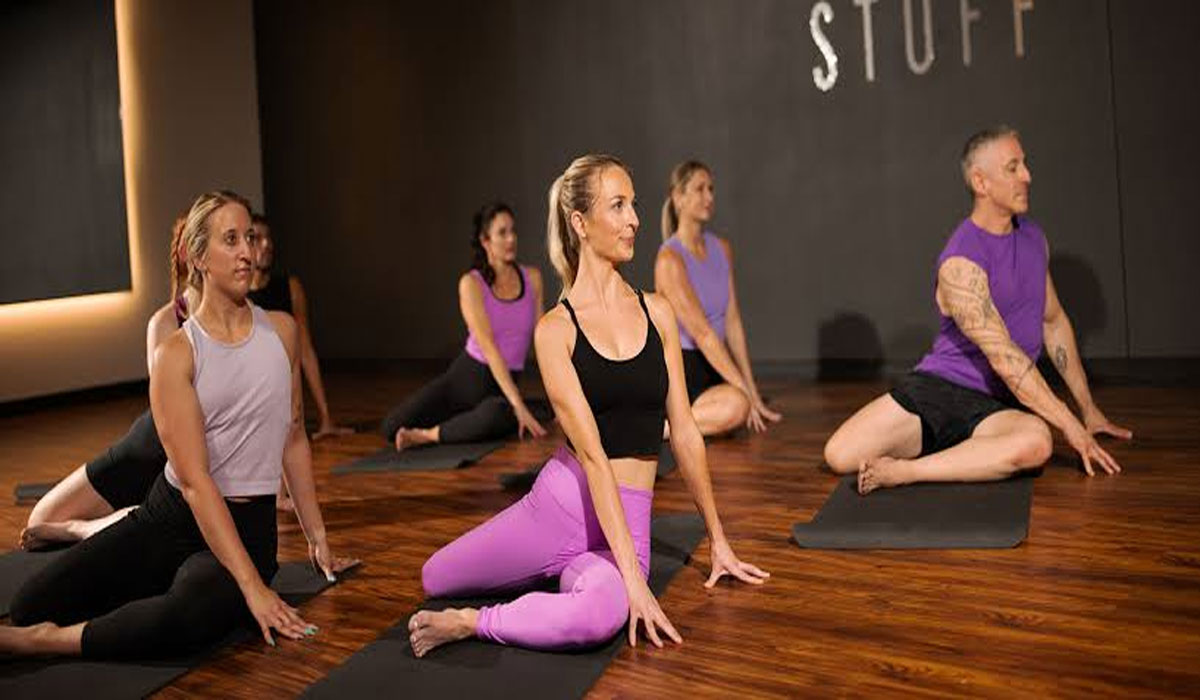
Beyond physical strength, yoga offers deeper benefits that are often overlooked. One of these is improved mind-body connection. By focusing on controlled movements and breathing, individuals become more aware of how their bodies function.
Yoga also helps reduce stress, which indirectly supports core health. High stress levels can cause muscle tension, particularly in the lower back and abdominal region. Regular yoga practice helps release this tension and restore balance.
Another hidden benefit is improved flexibility. While core exercises often focus on strength, yoga ensures that muscles remain flexible and adaptable, reducing stiffness and improving overall mobility.
Common Mistakes in Core Yoga Training
One of the most common mistakes in yoga practice is incorrect posture. Many beginners rush through poses without proper alignment, which reduces effectiveness and can lead to strain or injury.
Another issue is inconsistent practice. Core strength development requires regular training, and occasional sessions are not enough to build lasting results. Consistency is key to achieving progress.
Lastly, many people focus too much on intensity rather than control. Yoga is not about speed or force but about precision and awareness. Proper engagement of core muscles is more important than how difficult a pose appears.
Conclusion
Yoga core stability is more than just a fitness trend; it is a foundational practice that supports overall physical and mental well-being. By strengthening deep muscles, improving posture, and enhancing balance, it provides long-term benefits that extend beyond the yoga mat.
While many people focus on visible results, the true power of yoga lies in its ability to create internal strength and stability. This makes everyday movement easier, safer, and more efficient.
Ultimately, consistent practice, proper technique, and mindful movement are the keys to unlocking the full benefits of yoga for core stability.
Image Source:
- First Image from indochem.co.id
- Second Image from halodoc.com


Post Comment