Combining Flexibility And Stability Through Yoga Practice
Yoga practice develops both flexibility and stability, helping the body move freely while maintaining strength and balance.
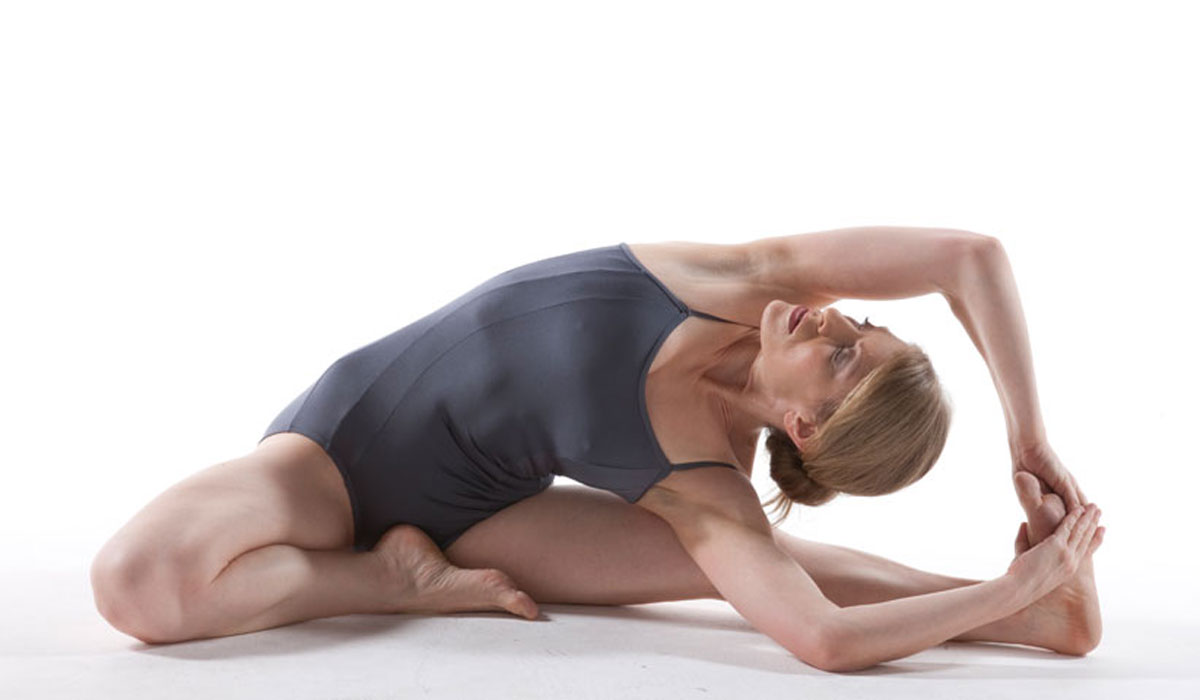
Yoga is more than stretching or relaxation. It is a holistic practice for both body and mind. While many focus on flexibility, stability is equally important. Balancing these elements improves posture, prevents injuries, and enhances overall physical and mental health. Combining flexibility and stability through yoga cultivates strength, resilience, and harmony in daily life.
Below, Yoga Body and Balance will explore how yoga combines flexibility and stability to improve strength, balance, and inner harmony.
Understanding the Balance Between Flexibility and Stability
Flexibility is the ability of muscles and joints to move through their full range of motion. In yoga, poses like Downward Dog and Pigeon Pose encourage flexibility by lengthening tight muscles and increasing joint mobility. This allows the body to move freely without strain or discomfort, enhancing both performance and recovery.
Stability refers to the control and support of your body during movement. Strong core muscles, balanced weight distribution, and mindful engagement are key components. Stability ensures that flexible movements are executed safely, reducing the risk of injuries and improving alignment in every pose.
Combining flexibility and stability creates a synergy that benefits the entire body. Flexibility without stability can lead to hyperextension or joint strain, while stability without flexibility may restrict motion and increase stiffness. Yoga teaches how to integrate both, leading to fluid, controlled, and sustainable movement.
Key Yoga Poses for Flexibility and Stability
Certain yoga poses are particularly effective in enhancing both flexibility and stability. Warrior II (Virabhadrasana II) strengthens the legs and core while opening the hips, promoting both balance and mobility. Maintaining focus in these poses trains the nervous system to coordinate strength and stretch simultaneously.
Tree Pose (Vrksasana) is another example. Balancing on one leg challenges stability, while the lifted leg and extended arms enhance flexibility. Practicing Tree Pose regularly improves proprioception, which is the body’s awareness of movement and positioning in space.
Chair Pose (Utkatasana) combines a deep squat with engaged core muscles. It stretches the spine and hip flexors while building lower body strength. This dual focus demonstrates how flexibility and stability are not opposing goals but complementary aspects of a holistic yoga practice.
Also Read: Finding Harmony, Mastering Inner Peace And Physical Strength Through Yoga
Integrating Mindfulness for Body Awareness
Yoga is not only physical. It emphasizes mental focus. Mindfulness teaches practitioners to notice subtle shifts in balance and tension during poses. Being aware of these signals helps prevent overextension and promotes safe, effective stretching.
Breathwork or pranayama enhances stability by anchoring the mind and body. Slow, intentional breathing keeps the core engaged and the body centered, allowing even challenging poses to be held longer and more safely. Breath acts as a bridge between flexibility and stability, synchronizing movement with control.
Mental focus also reduces the risk of injury by promoting conscious alignment. By observing how the body responds in each pose, practitioners can make micro-adjustments to maintain stability while deepening flexibility, creating a harmonious mind-body connection.
Creating a Balanced Yoga Practice
A well-rounded yoga routine should alternate between poses that emphasize stretching and those that challenge stability. Warming up with dynamic stretches prepares the body for deeper postures while activating stabilizing muscles. This ensures the body is ready for balanced engagement.
Incorporating strength-building postures, such as Plank Pose or Boat Pose, improves core stability. Strong core muscles provide a foundation for flexible movements, making transitions between poses smoother and safer. Stability-focused sequences also support better posture and reduce strain on joints.
Consistency is key. Practicing yoga regularly, even in short sessions, gradually enhances both flexibility and stability. Over time, the body adapts to demands of balance and mobility, while the mind develops patience, focus, and body awareness, qualities that extend far beyond the mat.
Follow Yoga Body and Balance to explore tips, techniques, and practices for combining flexibility and stability effectively.
Image Information Source:
- First Image from: educatefitness.co.uk
- Second Image from: wellwiseservices.org

Post Comment