Life-Changing Yoga Breathing: Techniques, Benefits, and Practical Tips
Discover the power of breath control in yoga with this comprehensive guide to pranayama techniques, physical and mental benefits, and practical tips for beginners.
Learn how to breathe through the abdomen, chest, and fullness to calm the mind, improve focus, and strengthen the body. Regular practice can reduce stress, increase energy, and support meditation. With proper technique, pranayama helps balance the body and mind.
Watch and keep following the latest and most viral information only on Yoga Body and Balance.
The Importance of Breath Control in Yoga
Breathing control, or pranayama, is a key pillar of yoga practice. This technique helps regulate oxygen flow in the body, calms the mind, and improves focus. Many yoga experts emphasize that proper breathing can improve physical and mental health.
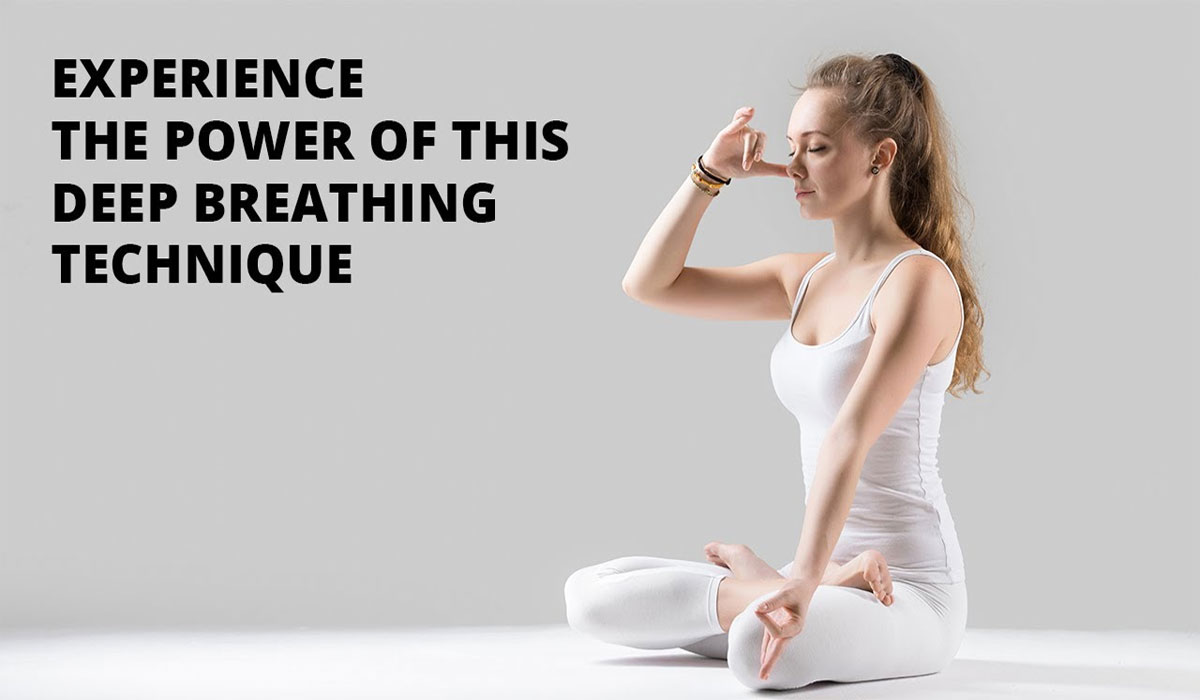
Various breathing techniques in yoga have different purposes. For example, the Nadi Shodhana technique, or alternate nostril breathing, helps balance the body’s energy. The Kapalabhati technique enhances detoxification and stimulates metabolism. Meanwhile, the Bhramari technique, or bee breathing, helps calm the mind and reduce anxiety.
Beyond physical benefits, breath control also has significant psychological impacts. Controlled breathing helps lower levels of stress hormones like cortisol. This makes a person calmer, more focused, and able to cope with everyday stress. Regular pranayama practice can also improve sleep quality and elevate mood.
Basic Techniques of Yoga Breath Control
Pranayama practice begins with basic techniques that are easy for beginners to do. The first technique is abdominal breathing, or diaphragmatic breathing. The method involves inhaling deeply through the nose, expanding the abdomen, and then exhaling slowly.
The second technique is chest breathing, which draws more air into the upper part of the lungs. This technique is often used to increase upper body awareness and strengthen posture. Chest breathing exercises also help improve posture and increase chest and shoulder flexibility.
The third technique is full breathing, which is a harmonious combination of abdominal and chest breathing. Full breathing fills the lungs from bottom to top and exhales slowly. This technique increases lung capacity, balances the body’s energy, and prepares the body for further practice.
Also Read: This Simple Body Alignment Trick Will Transform Your Health Overnight!
Physical and Mental Benefits of Pranayama
Pranayama provides significant physical benefits. Controlled breathing increases oxygen supply to the body’s cells, improves blood circulation, and strengthens the respiratory organs. Furthermore, this technique can help reduce blood pressure and lower the risk of heart disease.
In addition to physical benefits, pranayama has a calming psychological effect. Regular breathing reduces anxiety, stress, and emotional tension. Techniques such as Bhramari or bee breathing produce a feeling of deep relaxation. Regular practice can increase focus, creativity, and emotional stability.
Pranayama also supports meditation and mindfulness practices. Controlled breathing helps calm the mind, making meditation more effective. With a clearer mind, one can face life’s challenges more calmly and wisely.
Practical and Safety Tips for Pranayama
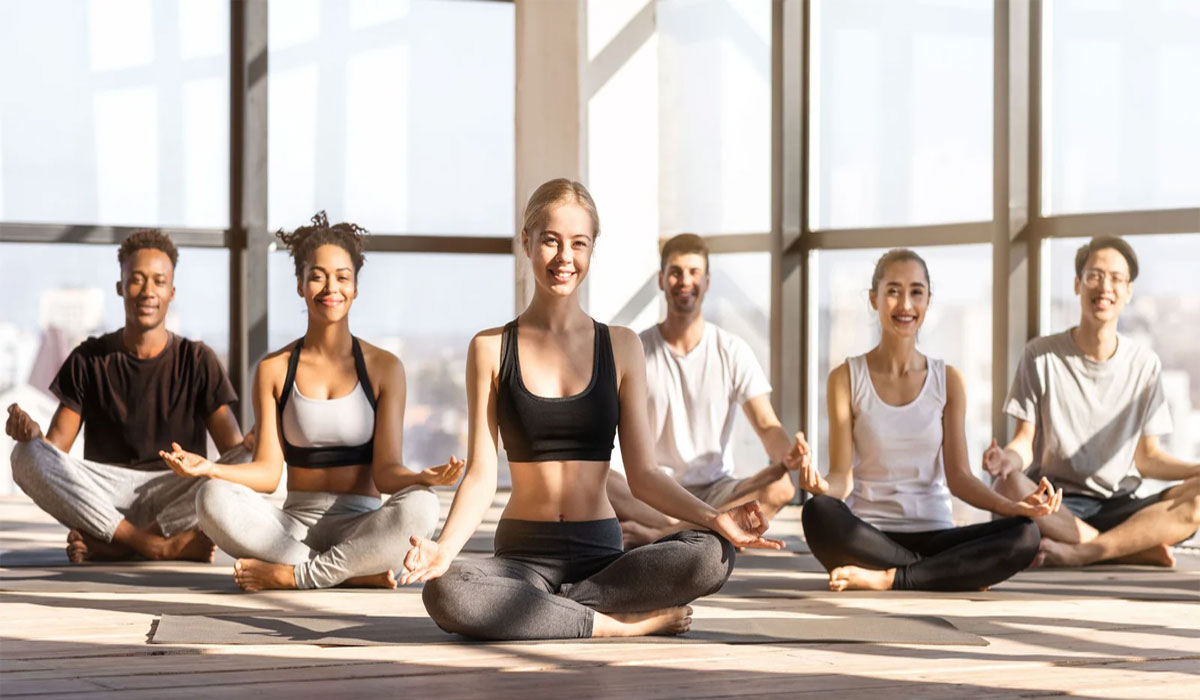
For beginners, it’s important to start with a short pranayama practice and simple techniques. Avoid holding your breath for too long or overexerting yourself. Practice should be done in a quiet place in a comfortable sitting position. Working with an experienced instructor is highly recommended to ensure proper technique.
Consistency is key to successful pranayama. Practicing for a few minutes daily is more effective than occasional long sessions. Regular practice helps build breath awareness and enhances both physical and mental effects. Combining pranayama with meditation or light asanas also enhances its benefits.
Image Source:
- First Image from rishikulyogshalarishikesh.com
- Second Image from rishikulyogshalarishikesh.com

Post Comment