Mastering Your Breath: Yoga Breathing Techniques For Mind And Body
Discover yoga breathing techniques to boost focus, relaxation and energy while enhancing both mind and body wellness.
Breathing is more than just a vital function it’s a powerful tool for mind-body balance. Yoga breathing techniques, or pranayama, help reduce stress, improve focus, and energize the body.
In this Yoga Body and Balance, we explore practical methods to control your breath, deepen your practice, and unlock the full benefits of yoga for both mental clarity and physical vitality. Learn how mastering your breath can transform your daily life.
The Vital Role Of Breath In Yoga
Breathing forms the foundation of yoga, acting as a bridge between the body and mind. Conscious control of breath, known as pranayama, helps enhance focus, energy flow, and overall well-being.
Deep, controlled inhalations bring oxygen to cells, improving physical performance, mental clarity, and alertness. Full exhalations release tension and toxins, calming the nervous system.
Being mindful of your breathing rhythm fosters connection with the body, stabilizes emotions, and prepares practitioners for more advanced yoga postures. Breath awareness is crucial for both beginners and seasoned yogis.
Foundational Breathing Techniques For Beginners
For beginners, diaphragmatic or belly breathing is essential. Inhale slowly through the nose, letting the abdomen expand, and exhale fully to relax muscles and calm the mind.
Box breathing, where inhalation, retention, exhalation, and pause last the same duration, enhances concentration and reduces anxiety. Even a few minutes daily can produce noticeable benefits.
Starting with these simple techniques develops awareness of one’s breath. Gradual practice strengthens lung capacity and mental focus, preparing learners for more advanced pranayama methods.
Also Read: Yoga Core Stability Exercises For Ideal Body Posture
Advanced Breathing Practices For Deeper Benefits
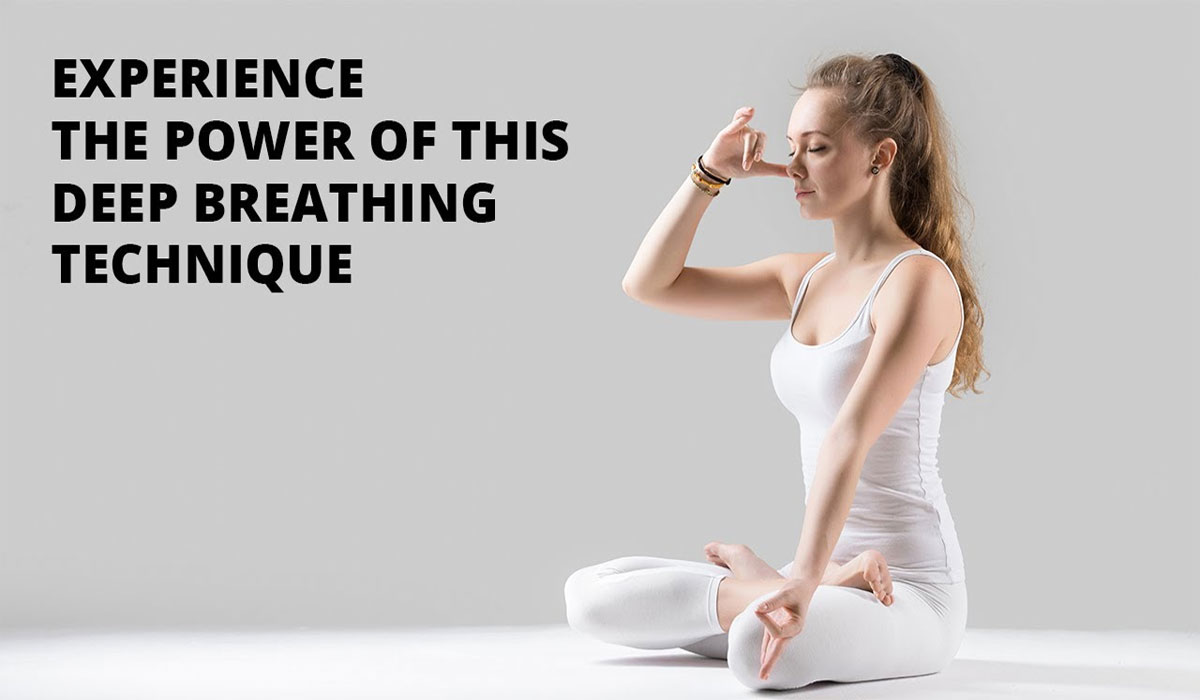
Once basics are mastered, advanced pranayama techniques can be introduced. Nadi Shodhana, or alternate nostril breathing, balances energy channels and calms the nervous system, promoting inner peace.
Kapalabhati, or “skull-shining breath,” uses short, forceful exhalations and passive inhalations. It energizes the body, cleanses the lungs, and stimulates circulation, providing both mental alertness and physical vitality.
Bhramari, humming bee breath, reduces stress by creating soothing vibrations. Combining these techniques systematically improves respiratory efficiency, mental focus, and emotional resilience over time.
Mind-Body Benefits Of Breath Control
Controlled breathing impacts both mental and physical health. Stress hormone levels decrease, leading to lower anxiety and better emotional regulation, while focus and mindfulness improve.
Physically, breathwork strengthens the lungs, improves oxygenation, and enhances energy metabolism. It supports proper posture, spinal alignment, and smooth execution of yoga postures.
Incorporating daily breath exercises fosters calmness, clarity, and balance. Practitioners often feel more energized, resilient, and centered in daily life, experiencing a sense of harmony between body and mind.
Integrating Breathwork Into Daily Life
Breathing exercises are not limited to yoga practice. Morning or evening sessions, short breaks during work, or pre-sleep routines can help manage stress and maintain energy.
Combining breath control with meditation enhances relaxation and focus. Even simple awareness of inhalation and exhalation during the day prevents tension and promotes mindfulness.
Over time, breath awareness becomes automatic. Consistent practice improves posture, energy levels, mental clarity, and overall well-being, making mindful breathing a lifelong tool for health and balance.
Image Source:
- First Image from alodokter.com
- Second Image from realitasonline.id

Post Comment