Strong Yet Adaptable: The Art of Flexibility and Stability
In a world defined by constant change, the ability to remain steady while adapting has become one of the most valuable human strengths.
Flexibility and stability are often seen as opposites, yet they work best when they exist together. Whether in personal growth, professional life, or organizational success, mastering the balance between these two qualities allows individuals and systems to thrive under pressure and uncertainty.
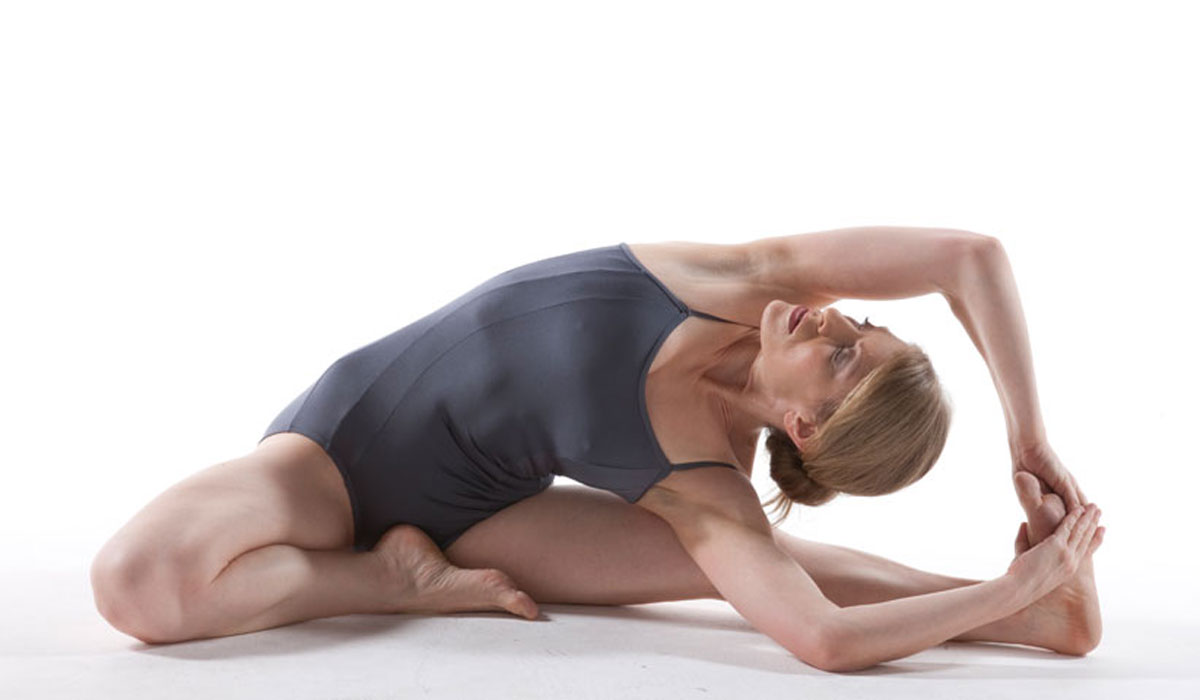
In the following, Yoga Body and Balance will discuss breathing, an important element in yoga that is often overlooked.
Understanding Flexibility and Stability
Flexibility refers to the capacity to adapt, adjust, and respond effectively to change. It involves openness to new ideas, willingness to learn, and the ability to shift strategies when circumstances demand it. Flexible individuals and systems are not rigid; they recognize that change is inevitable and see it as an opportunity rather than a threat.
Stability, on the other hand, represents consistency, reliability, and a strong foundation. It provides structure, clarity, and direction, ensuring that progress does not become chaotic. Stability allows individuals and organizations to maintain core values, principles, and goals even when external conditions fluctuate.
When combined, flexibility and stability create resilience. Flexibility enables movement and growth, while stability prevents collapse. Together, they form a dynamic balance that supports sustainable success in an unpredictable environment.
Flexibility and Stability in Personal Growth
In personal development, flexibility allows individuals to evolve with changing life circumstances. People encounter new roles, responsibilities, and challenges throughout their lives, and adaptability helps them navigate these transitions with confidence. Being flexible encourages continuous learning and self-improvement.
Stability in personal growth comes from a clear sense of identity and values. Knowing who you are and what you stand for provides guidance when making decisions. This internal stability acts as an anchor, preventing individuals from losing direction when facing uncertainty or pressure.
When personal flexibility is grounded in stability, growth becomes intentional rather than reactive. Individuals can explore new paths without abandoning their core beliefs, allowing them to adapt while remaining authentic and focused on long-term well-being.
Also Read: The Secret to Core Stability Through This Yoga Move
The Role of Balance in Professional and Organizational Life
In professional environments, flexibility is essential for innovation and competitiveness. Industries evolve rapidly, and organizations that adapt to new technologies, market demands, and customer expectations are more likely to succeed. Flexible work models, creative problem-solving, and openness to change drive progress.
However, without stability, flexibility can lead to inconsistency and confusion. Stable systems, clear leadership, and well-defined processes provide structure and accountability. They ensure that innovation aligns with organizational goals and that teams remain cohesive during periods of change.
The most successful organizations balance these qualities by encouraging adaptability within a stable framework. They allow experimentation while maintaining clear values, vision, and standards. This balance supports growth while preserving trust and reliability.
Building Resilience Through Flexibility and Stability
Resilience is the ability to withstand challenges and recover from setbacks, and it depends heavily on both flexibility and stability. Flexible thinking helps individuals and organizations find alternative solutions when faced with obstacles. It fosters creativity and reduces resistance to change.
Stability strengthens resilience by providing confidence and continuity. When people trust their foundations, they are better equipped to face uncertainty. Stable routines, relationships, and systems create a sense of security that supports emotional and operational endurance.
By cultivating both qualities, resilience becomes proactive rather than reactive. Challenges are met with calm adaptability, supported by a strong foundation. This approach allows growth even in adversity, transforming setbacks into learning experiences.
Conclusion
Flexibility and stability are not opposing forces but complementary strengths that define sustainable success. Flexibility enables adaptation, creativity, and growth, while stability provides structure, clarity, and direction.
When balanced effectively, these qualities foster resilience, confidence, and long term progress. In a rapidly changing world, being strong yet adaptable is not just an advantage it is a necessity for thriving with purpose and balance.
Image Source:
- First Image from NEO rheumacyl
- Second Image from gutexpert.in

Post Comment