The Ultimate Guide To Yoga Breathing For Health And Relaxation
Discover how yoga breathing techniques can reduce stress, improve focus, enhance health, and bring deep relaxation to your daily life.
Yoga breathing, or Pranayama, is a key aspect of yoga that benefits both body and mind. By consciously controlling the breath, practitioners can reduce stress, boost focus, and improve overall health. Intentional breathing patterns enhance oxygen flow, promote relaxation, energize the body, and foster a sense of calm, balance, and long-term vitality in daily life.
In the following, Yoga Body and Balance will guide you through techniques to make your yoga breathing practice more effective and beneficial for your mind and body.
Understanding The Basics Of Yoga Breathing
Yoga breathing is more than simply inhaling and exhaling; it’s about awareness, control, and rhythm. Beginners often start by observing their natural breath to understand its pace and depth. This awareness forms the foundation for all pranayama techniques.
Breathing properly engages the diaphragm, improves lung capacity, and enhances oxygen circulation throughout the body. Unlike shallow chest breathing, diaphragmatic breathing promotes relaxation and reduces tension in muscles and joints.
Consistency is key. Practicing basic yoga breathing for just a few minutes daily helps develop mindfulness, reduces stress, and prepares the body for more advanced techniques. Small, regular sessions yield significant benefits over time.
Techniques For Effective Yoga Breathing
Several techniques are commonly practiced in yoga breathing, each offering unique benefits for both mind and body. Ujjayi breath, for instance, involves slow, controlled inhalations and exhalations that create a soothing, ocean-like sound. This technique helps calm the mind, improve concentration, and deepen focus during yoga sessions.
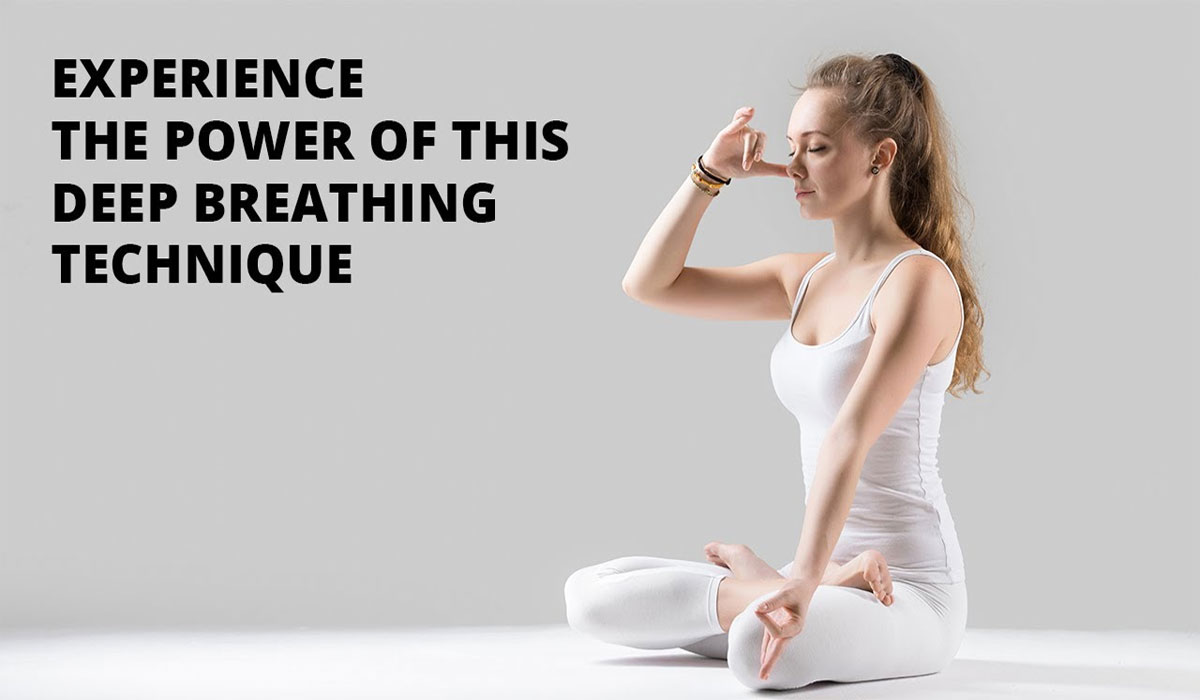
Nadi Shodhana, also known as alternate nostril breathing, works to balance the body’s energy channels. Practicing this technique regularly promotes mental clarity, reduces anxiety, harmonizes the nervous system, and creates a sense of inner calm and equilibrium.
Kapalabhati, a more vigorous form of breathing, emphasizes rapid exhalations followed by passive inhalations. It energizes the body, clears the respiratory passages, stimulates blood circulation, and increases alertness, making it especially effective for morning practice or when a natural energy boost is needed.
Health Benefits Of Yoga Breathing
Regular practice of yoga breathing provides extensive physical and mental health benefits. It strengthens the lungs, improves cardiovascular efficiency, and enhances oxygen delivery to tissues, boosting overall vitality, stamina, and energy levels throughout daily activities.
Mentally, controlled breathing helps reduce stress hormones, encourages deep relaxation, and sharpens focus and concentration. It can also alleviate anxiety, depression, and insomnia, offering a natural and holistic approach to achieving emotional stability and mental clarity over time.
In addition to mental and respiratory benefits, yoga breathing supports digestion, enhances immune system function, and helps maintain hormonal balance. Its holistic impact on both body and mind makes it a powerful, all-encompassing practice for improving long-term health, resilience, and overall well-being.
Tips For Incorporating Yoga Breathing Into Daily Life
Start with small, consistent sessions. Even just five to ten minutes of focused yoga breathing each day can significantly reduce stress, improve mental clarity, and enhance overall focus. As you grow more comfortable and confident, gradually extend the duration and try slightly more advanced techniques to deepen the benefits.
Combine your breathing exercises with meditation or gentle yoga stretches to maximize relaxation and mindfulness. This integrated approach not only calms the mind but also improves body awareness, helps release tension, and creates a daily ritual that strengthens both physical and emotional well-being.
Always listen carefully to your body and practice mindfully. Avoid forcing your breath or pushing your lungs beyond comfort. With consistent, gentle practice over time, you will naturally improve your breathing control, boost energy levels, enhance mental focus, and enjoy lasting physical and emotional health.
For more tips on enhancing your health, improving relaxation, and mastering yoga breathing techniques, visit Yoga Body and Balance.
Image Information Source:
- First Image from: webmd.com
- Second Image from: rishikulyogshalarishikesh.com

Post Comment